Project Based learning
Project-based learning is a student-centered pedagogy that involves a dynamic classroom approach in which it is believed that students acquire a deeper knowledge through active exploration of real-world challenges and problems.
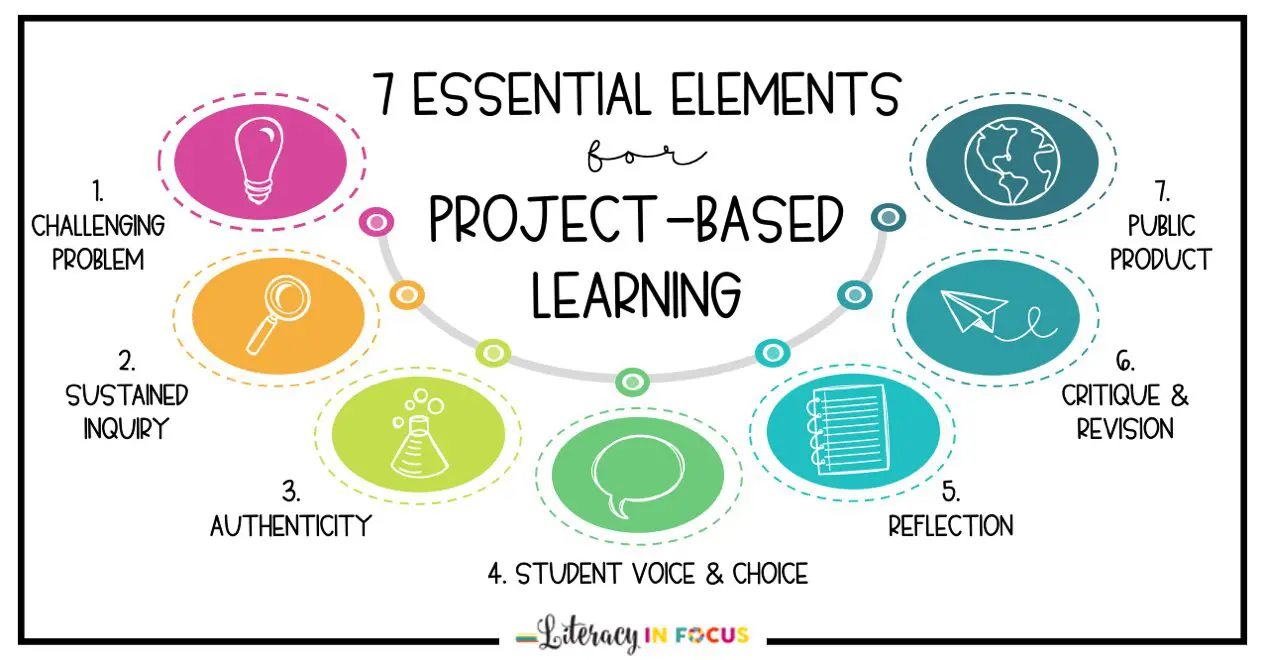 7 Essential Elements for Project-Based Learning
Project-Based Learning (PBL) provides students with the opportunity to engage in meaningful real-word projects. The goal of each student project is to answer an engaging question, solve a problem, or complete a challenge. Ultimately, students demonstrate their acquired knowledge by creating a public presentation or product for a real audience.
To effectively harness the magic that comes with Project-Based Learning, PBLWorks has outlined seven critical components that must be included. All seven components are described below. As you will see, some components are easier to implement than others, which can lead to reluctance for many teachers.
- Project Paradigm

The entry period for the fifth Paradigm Challenge is now open. Students who submit one or more ideas during the entry period will receive prompt feedback and/or additional resources to help the students refine their ideas. Project Paradigm believes in the power of iteration and strongly encourages students to submit their refined ideas prior to the close of the entry period for additional feedback. - 12 Project Based Learning (PBL) Examples

Project Based Learning (PBL) is a teaching method in which students are engaged in learning through active exploration. In PBL, classrooms are organized so that students work together on real-world tasks or problems.
There are many benefits of project based learning. Perhaps the most notable benefit is that it allows students to learn by doing. When students are actively engaged in projects, they are more likely to retain what they have learned. Additionally, project based learning can help students develop 21st century skills such as critical thinking, problem solving, and collaboration. This form of learning is an excellent way to engage students in learning and prepare them for success in the real world.
PBL can be used in any subject area and is adaptable to any grade level. It is an effective way to engage all learners, including English language learners and students with special needs.
It is important to remember that PBL is not a one-size-fits-all approach – it should be adapted to meet the needs of your students and the curriculum. SmartLab Learning understands that no two students learn the same way. They help schools implement standards-aligned, individualized learning solutions that meet the unique needs of every learner through a variety of hands-on, engaging activities.