rbeyers
I was excited about the visit today as the past 7 schools have provided me with many challenges. Each day I arrive at the Education Department district offices not knowing where I will be deployed as this is left in the capable hands of Mr Mgijima.
Waiting outside the Education Department is an education in itself. Each morning I have noted an elderly lady walking past in old broken running shoes, track suit pants, a dress, an apron and a spade in her hand. She shuffles past and is deep in thought. I often wonder where she is off to.
Having arrived just after 8 I had to wait until just before 9 when Mr Mgijima arrived from King Williamstown. He had experienced heavy mist but did phone to let me know that he would be late. We headed off chatting as we covered a number of different topics including the missing screws from the furniture issue. He agreed with me that this was a problem but had not considered the possibility of investing in a few screws to reduce the damages to existing furniture. I had visited a local hardware store while waiting and determined that 4 screws would cost around R2.00 and would reduce the number of learners having to share furniture during lessons.
Having prepared for a lesson using a data projector and the SMART digital wireless slate I was disappointed to discover that the power in the classroom was non-existent. Mr Mgijima was kind enough to spend some time trying to resolve this matter with long extensions cords from the next building. This did influence the order of the lesson but did not distract from the quality of the demonstration.
Having arrived late at the school we were interrupted by the meal break as the school is part of a feeding scheme. During this break I discovered that I had a flat tyre and had no choice but to change it – easier said than done. The gravel roads added a new dimension to this little task together with a tyre that did not want to budge. A few blows with a brick on the inside of the rim resolved the matter by which time the learners were back.
I noted at least 5 learners in this school who answered some of the more difficult questions despite the language barriers. One has to bear in mind that these learners have received tuition through the medium of English since Grade 4 and yet they lack the confidence and sometimes the ability to communicate in English after 4 to 5 years. This is also evident in their answering of the questionnaire. I have taken note of the situation especially with English being their second language.
It is interesting to note in the Sunday Times dated 3 August that the poor use of English is a major constraint for learners. If they are not able to address this matter they will be severely constrained with regards their ability to cope with studying at university in the near future. I have suggested that learners answer the open ended questions in isiXhosa if they wish to do so.
The customary schoolyard furniture graveyard was evident yet again. It is interesting what the cost of 4 screws can save on a school budget. All the schools that I visited have this issue and yet there is a budget for repairs and maintenance. New furniture has been ordered and apparently a few heads have rolled over furniture tenders at a very high level.
I have challenged my NMMU students to raise funds for screws that we can repair a few desks on my next visit. Maybe I am just a dreamer as there is potential in these remote areas. Sadly they do not have a Science teacher at the school.
| Grade-8 | Grade-9 | |||
| M | F | M | F | |
| 14 | 1 | 1 | ||
| 15 | 4 | 6 | 2 | 1 |
| 16 | 1 | 6 | ||
| 17 | 4 | 2 | ||
| 18 | 1 | 1 | 4 | 1 |
| 19 | 1 | 2 | ||
| 7 | 14 | 11 | 6 | |
| Subtotal | 21 | 17 | ||
| TOTAL | 38 | |||
I shared my experiences with my students from NMMU during lectures after returning from my second visit. After lengthy discussions some of the students expressed an interest in joining me on the visits to the Cofimvaba district.
Discussions are underway to seek permission for the students to see education in rural communities and to reflect on this exercise as part of their training. The intention is for the students to observe the lessons for 2 days and to interact with the learners as well. At the end of each day there will be an opportunity to reflect on what transpired during the lessons which I am confident will have a positive impact on their perceptions of education. I am also confident that the learners may also deliver the last lesson including interacting with the hydrogen fuel cells as well.
The second part of the commitment will be for the students to conceptualise and execute a mini research project as their contribution to the process with the possibility of publishing their findings. At the first informal meeting the idea of a community project emerged where the students raise funds for the schools as well. The suggestion was to purchase wood and screws to repair some of the broken desks in the schools.
The third visit is scheduled for the week starting 04 August.
Having saved on 50 km trip of not having to pick up the district official from Cofimvaba we arrived just after 8. The school was in session and we opted to wait until the classes had their next break before setting up. The decision was taken to combine the both classes of about 60 and to then have an extended session.
Despite the intense labour demands of setting up the Interactive whiteboard the returns on investment are enormous. The structure it provides to the lesson is enormous while having so much at your fingertips, even in rural schools. It certainly kept their attention focused on the board.
Well, this is where it all happened for this trip so far. Having no resources does not mean that they cannot produce talented learners. I found two young men itching to answer complex questions despite the language differences. I could see them motioning with their hands as to what the answers were. There was pride in their eyes as they shared their thoughts with their peers displaying great insight and maturity.
The session ran for over 2 1/2 hours and yet it felt as though the lesson was over before it started. It ended with what has become a tradition for my training session with the customary singing in celebration of education as only African voices can do. I get goose flesh everything I think about it and realize how lucky I am to share a few precious moments with these learners who are hungry for knowledge.
| Grade 8 | Grade 9 | |||
| Male | Female | Male | Female | |
| 13 | 3 | 1 | ||
| 14 | 6 | 10 | 2 | 1 |
| 15 | 3 | 4 | 3 | 6 |
| 16 | 1 | 2 | 3 | 3 |
| 17 | 1 | 1 | 5 | 2 |
| 18 | 1 | 3 | ||
| 14 | 18 | 14 | 15 | |
| 32 | 29 | |||
| 61 |
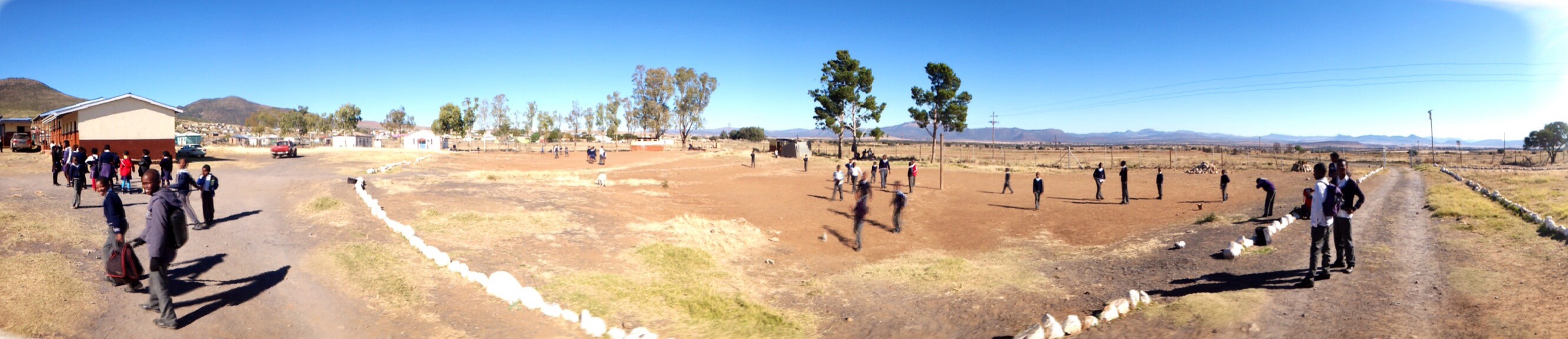
This school stands out like a sore thumb as it is a new building surrounded but mud huts. On arrival were discovered a well-run organization serving a large community.
Despite the new buildings there were the usually signs of neglect in the form of poorly maintained furniture. This seems to be a recurring theme with all schools. The district official, reportedly that all schools receive an allocation for repairs and maintenance. One would assume that if this were spent correctly there should not be any broken furniture or windows.
The SMART board was deployed for the two sessions. I am confident that it contributes positively to the lessons.
Imagine being very focused on energy transformations and trying to think of the next logical step when the resident goat walks past the door. It is no wonder that they cannot maintain a school garden or vegetable patch.
I was pleased to note that 2 learners showed potential. This was confirmed by the district official. The biggest compliment was from the district official who wanted to do some work as she was under pressure. Despite this she was so engrossed in the lesson that she did not do any work and expressed an interest in studying science as she was very inspired.
We came away with the impression that this was a normal school where the community was fortunate in having such facilities. On leaving the area we stopped off at the school for the next visit to meet the principal and to confirm the arrangements so that there was no need to rely on the District Education Department all the time.
The Zamuxolo school was in a poor state of repair and I did not expect much for our visit.
| Grade 8 | Grade 9 | |||
| Male | Female | Male | Female | |
| 13 | 1 | 1 | ||
| 14 | 4 | 5 | 1 | 0 |
| 15 | 8 | 4 | 8 | 9 |
| 16 | 5 | 5 | 5 | 5 |
| 17 | 5 | 1 | 5 | 5 |
| 18 | 4 | 1 | 6 | 4 |
| 19 | 0 | 2 | 0 | 1 |
| 20 | 0 | 0 | ||
| 21 | 0 | 0 | ||
| 22 | 0 | 1 | ||
| 27 | 19 | 25 | 25 | |
| 46 | 50 | |||
| Total 96 |
The school was in a poor state of repair. Apparently the Grade 6 and 7 learners were attached to another school and were reallocated to Arthur Mfebe this year. Due to internal politics and union issues these learners have received no tuition for the year in Mathematics and Science with no solution in sight.
There are plans to convert the school into an agricultural institution. The need is there as the community has plenty of water from the Lubisi dam near Cofimvaba which is channelled through irrigation furrows. The whole valley is littered with the remnants of houses for agricultural advisors that were destroyed due to political infighting. Sadly the community are the biggest losers.
We arrived to find the venue being cleaned with plenty of dust flying and desks and benches outside. I was under the impression that the venue had not been used for some time where the ceiling boards falling down, broken windows everywhere and bare wires protruding from none existent plug fittings. It was very depressing.
I took the decision to deploy the SMART interactive whiteboard after a power cord was extended from the next building. The learners responded as expected but no learners really stood out.
| Grade 8 | Grade 9 | |||
| Male | Female | Male | Female | |
| 13 | 1 | 5 | ||
| 14 | 2 | 5 | 1 | 4 |
| 15 | 1 | 7 | 4 | 12 |
| 16 | 4 | 1 | 3 | 2 |
| 17 | 1 | 1 | 2 | |
| 18 | 1 | 1 | ||
| 19 | 1 | |||
| 20 | 1 | |||
| 9 | 18 | 12 | 21 | |
| 27 | 33 | |||
| TOTAL 60 |
Completed the capturing of the data from the current questionnaire administered.
| School | Mvuzo | Mbudlu | Sintile | Bangilizwe | ||
| 18-Jun | 17-Jun | 20-Jun | 19-Jun | |||
| Gr7 | m | 30 | 0 | 0 | 13 | 17 |
| f | 27 | 0 | 0 | 11 | 16 | |
| Gr8 | m | 71 | 24 | 17 | 13 | 17 |
| f | 65 | 28 | 8 | 13 | 16 | |
| Gr9 | m | 65 | 24 | 13 | 11 | 17 |
| f | 73 | 31 | 19 | 7 | 16 | |
| School Total | 331 | 107 | 57 | 68 | 99 | |
| M | 166 | |||||
| F | 165 | |||||
One issue that stands out is the huge age difference in each grade. There are 20 year old male students in the same class as 12 and 13 year old girls. This is a cause for concern especially from a social perspective and is prevalent in all grades.
I need to confirm such issues as to when these learners are exposed to English in these schools as many learners lack the ability to express themselves in English. From my observation many learners simply replicated the words that were written on the chalkboard when ask as to what they had learned for the day. Another trend that emerged was the issue of copying answers including the spelling mistakes.
Each comment was tagged according to key words and this will be analysed for trends per grade, school and gender.
I am still convinced that there are a few rough diamonds amongst these schools that need to be tagged with the view to channelling them into more advanced programs. These learners certainly stand out amongst their peers.
Preparation is under way for the next round to training in Cofimvaba starting 28 July 2014. This will include the use of a SMART Interactive Whiteboard into the presentation coupled to a web cam. This will allow all learners to view what is happening in the demonstrations.
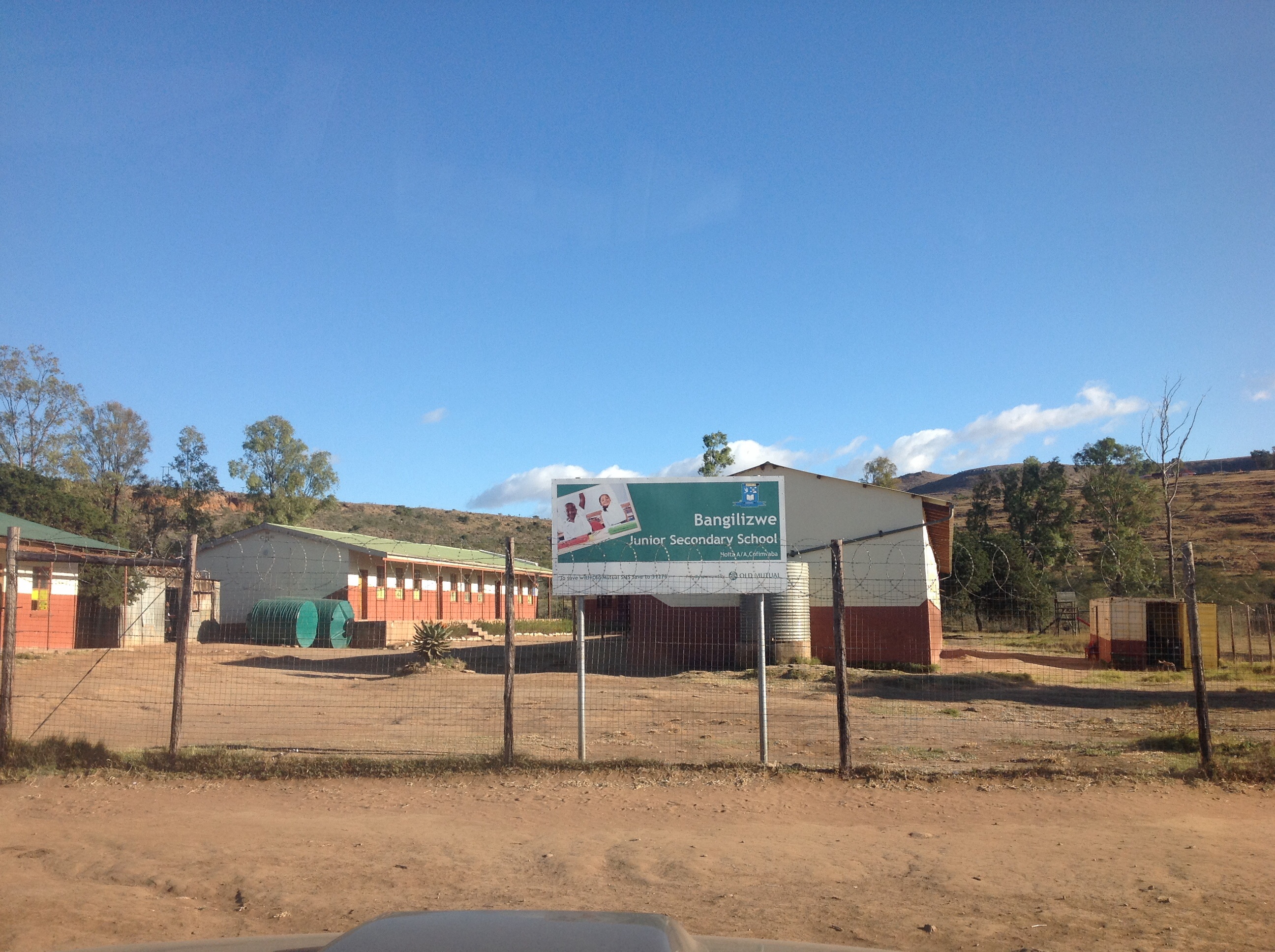
Sentile JSS
Grade 7 – Male (13) Female (11) Total (24)
Grade 8 – Male (12) Female (12) Total (24)
Grade 9 – Male (13) Female (7) Total (20)
Total = 68
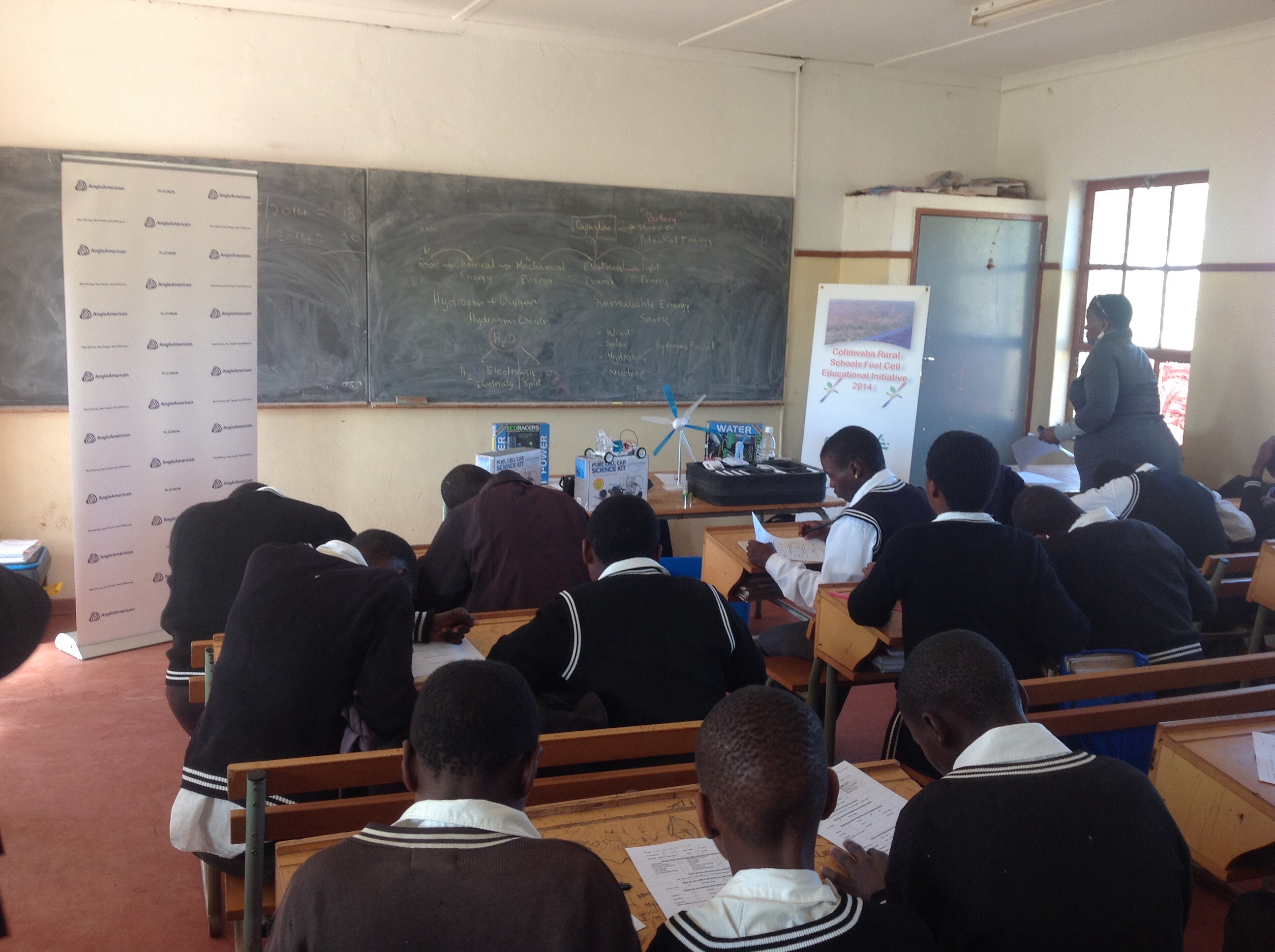
We had to wait for 2 hours while the learners wrote a 2 hour paper on Science .This was on a day when the wind chill factor certainly took the temperature down below freezing.
We used our time effectively to cut some grass and attempt to weave it to form a structure for Technology Education. The concept behind this is to allow learners to design a bridge/chair/table using available resources and available technology. Schools in remote locations have wonderful natural resources which can be utilized and is free. The emphasis should be shifted from the cosmetic to the functional so that structures are tested for durability to the point of destruction allowing the learners to discover a number of different properties in their designs. Marks should be allocated to testing as well.
This was a multi-grade class where I found the younger learners being more responsive than the older grades. Looking at the age profiles of the classes it is interesting to see 18-20 year old learners in the same classes as 11-13 in the same grade.
Grade 7 – 17 males and 16 females
Grade 8 – 10 males and 14 females
Grade 9 – 21 males and 12 females
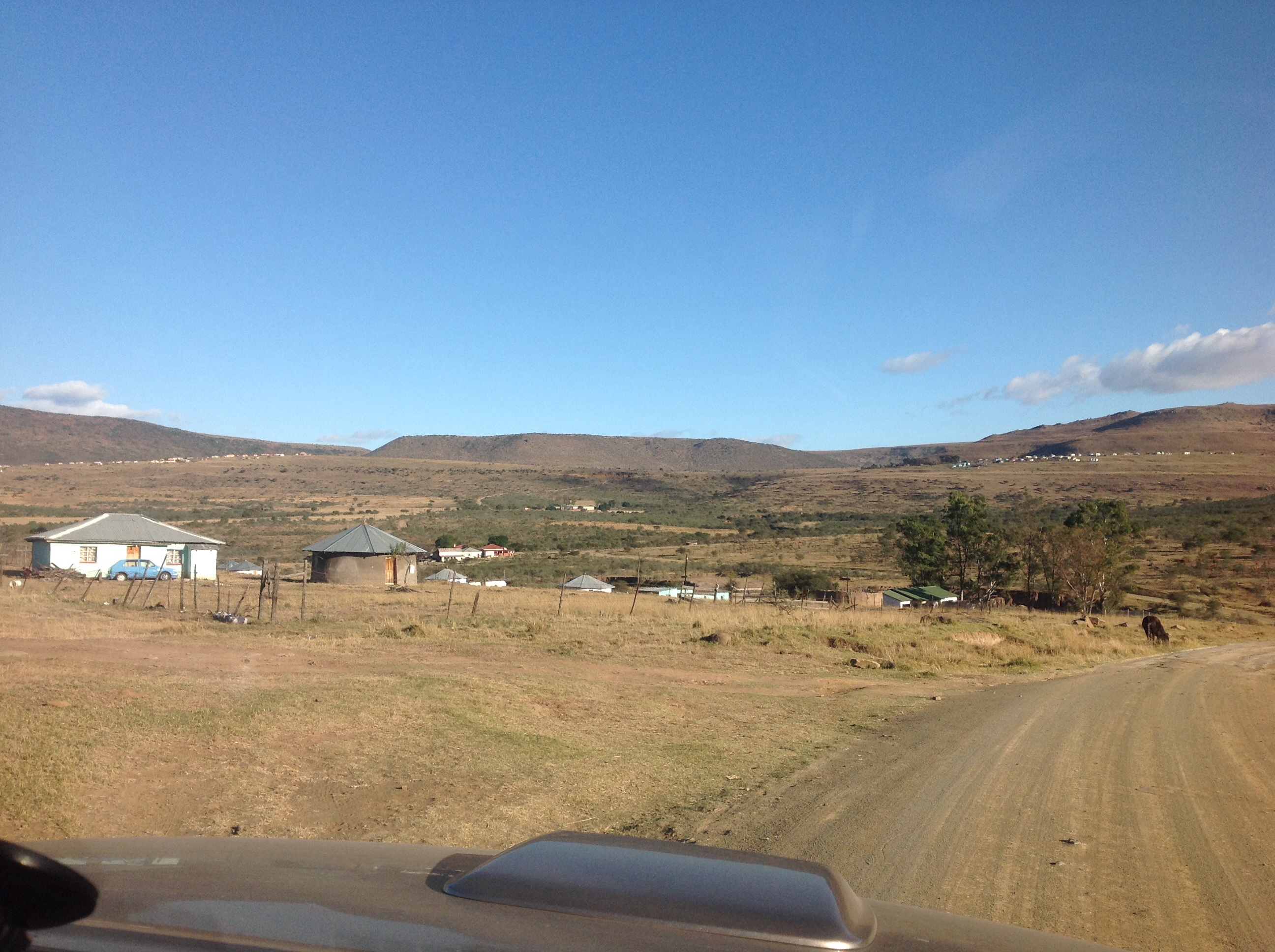
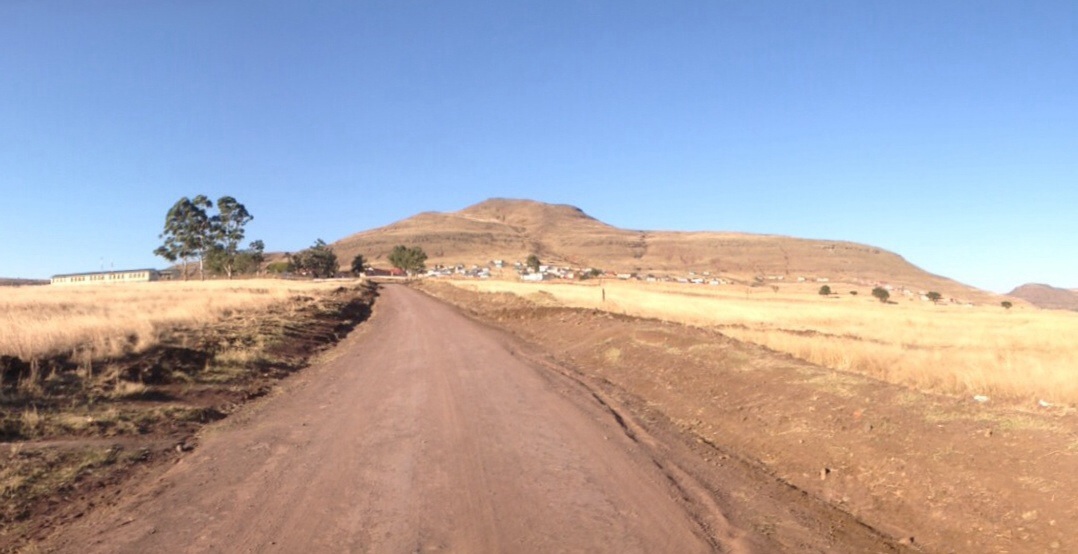
Another good day with a trip of 40 km on dirt roads into a deep rural community. I continue to find learners who are hungry for knowledge and rise to the challenges presented to them. This happens despite limited to no exposure to any forms of technology. There are gems in these communities that can go all the way if giving a small chance.
Grade 8s – 24 males and 25 females
Grade 9s – 25 males and 35 females.
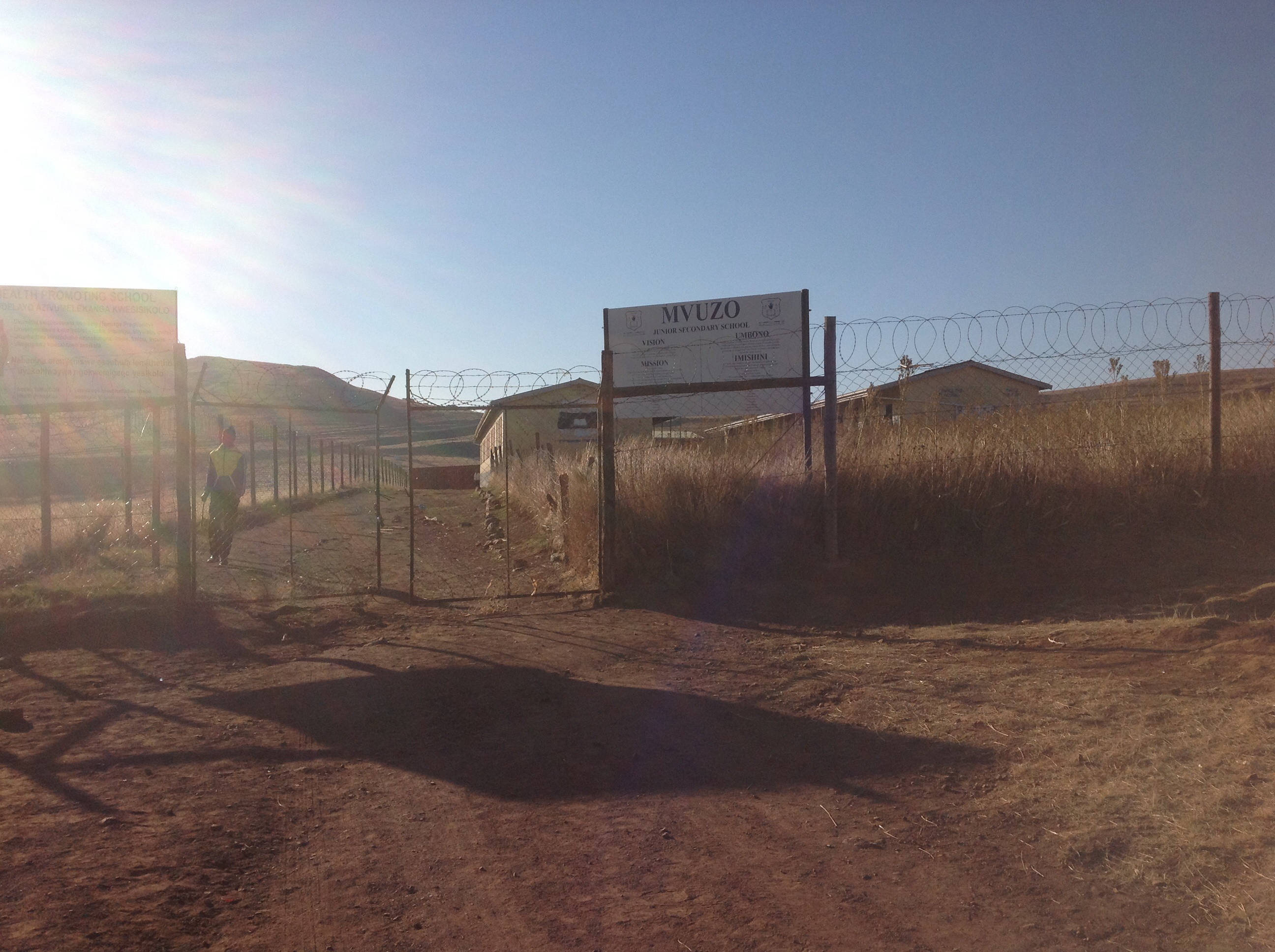
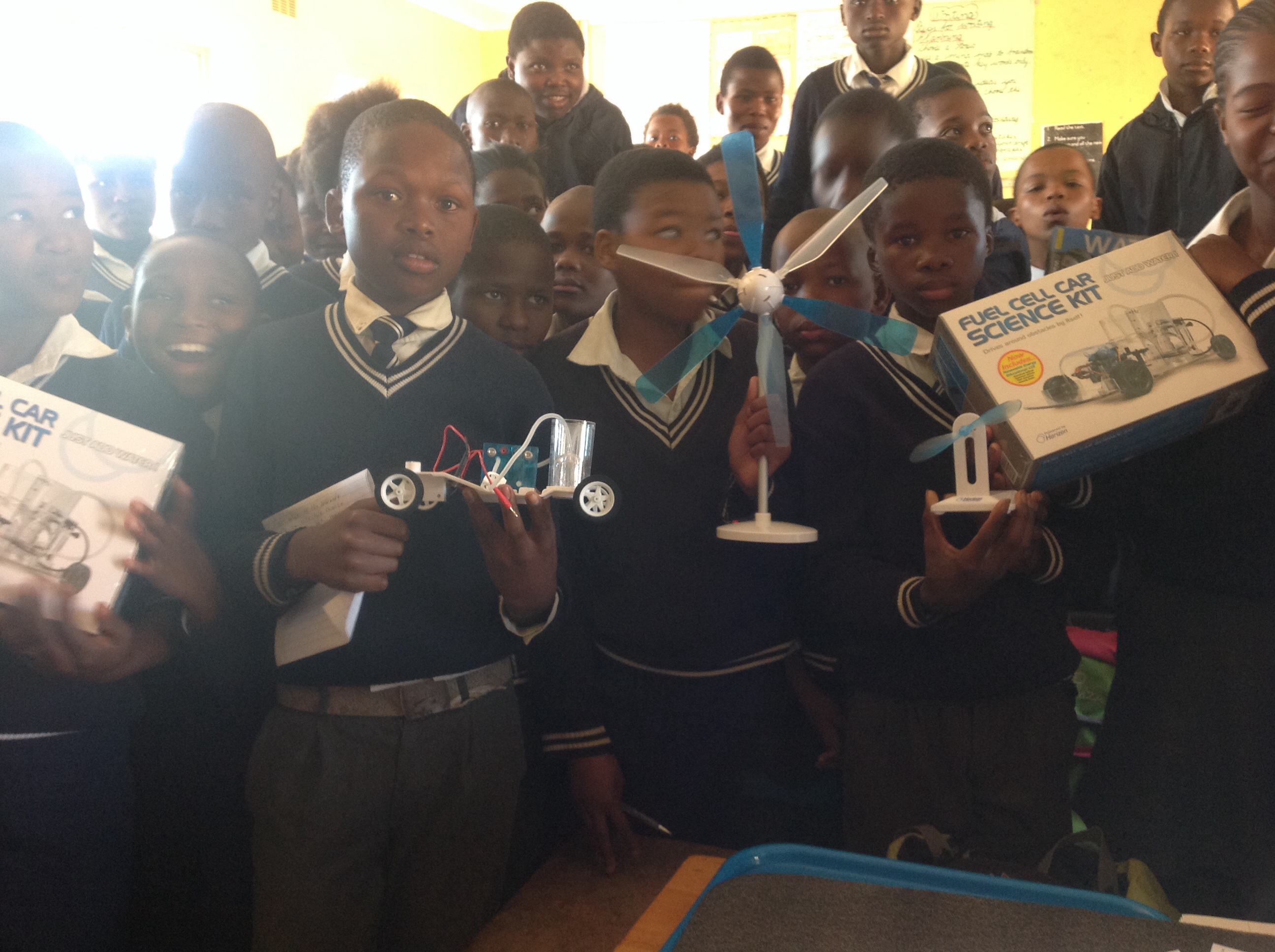
Interesting day at Mvuzo JSS with 60 Grade 9 learners and 49 Grade 8s. What an experience as this school is filled with exceptional learners. From the start there was a connection with the group and many learners were itching to answer questions. There were at least three learners who rose above the rest offering new insights into problems that they were presented with. The more I work with the schools the more I realize the inherent potential of learners if they are given the opportunity to excel.

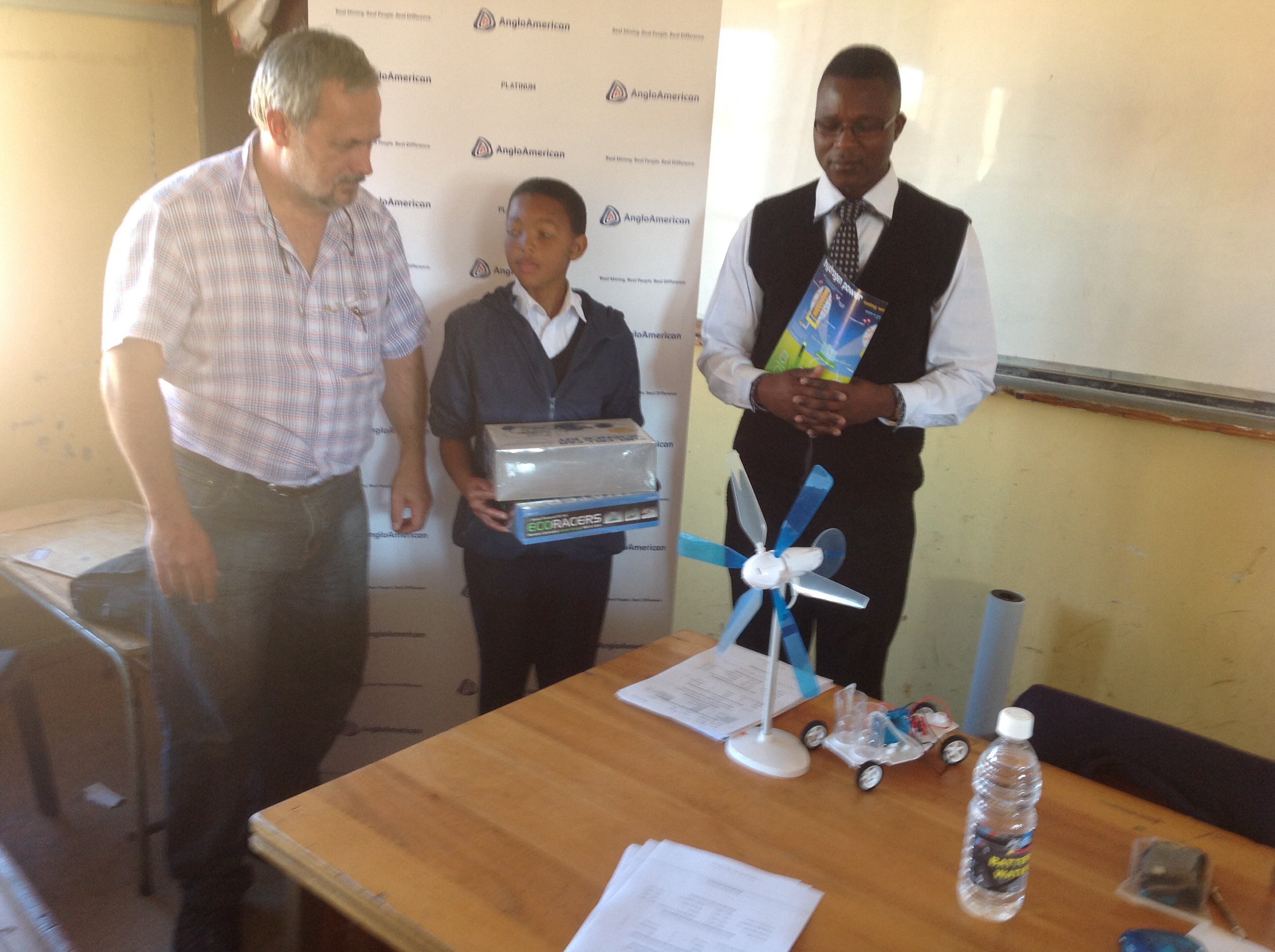
First school visit accompanied by Mr Mgijima.
– 25 Grade 8s
– 32 Grade 9s
some observations
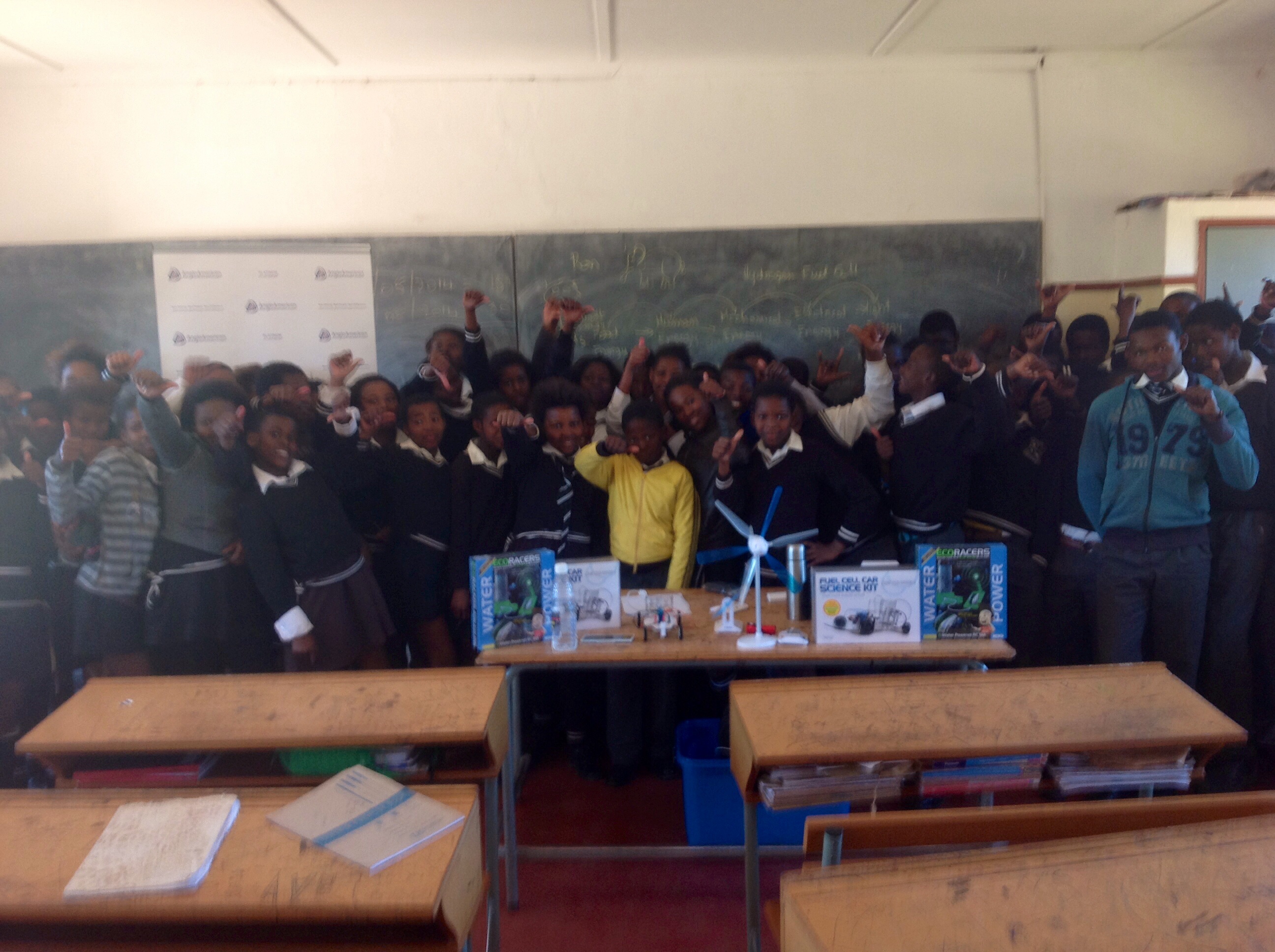
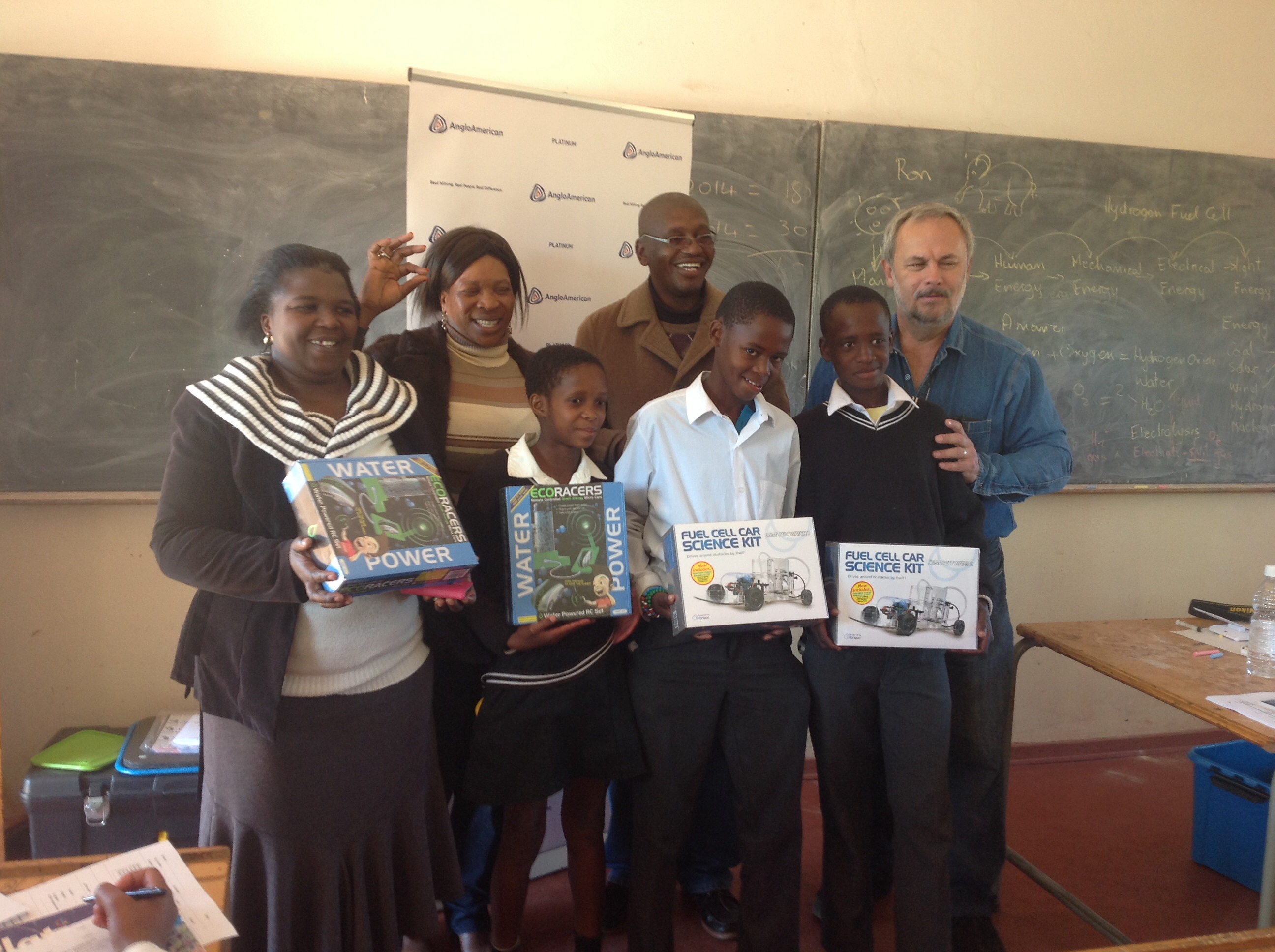
Despite the languages gaps and natural shyness many learners were willing to interact with me especially on the more challenging issues. I am convinced that given access to more academic resources learners from these types of communities will be able to compete on an equal level with their counterparts from advantaged communities. This intervention is but a small start where it takes a company with vision to invest in the youth. Thanks you Anglo Platinum. You are making a difference in the lives of these learners – and teachers.
The teachers are able to repeat the learning process after we have leave. The hydrogen fuel cell cars have a solar panel to generate hydrogen for the fuel cells avoiding expensive batteries.



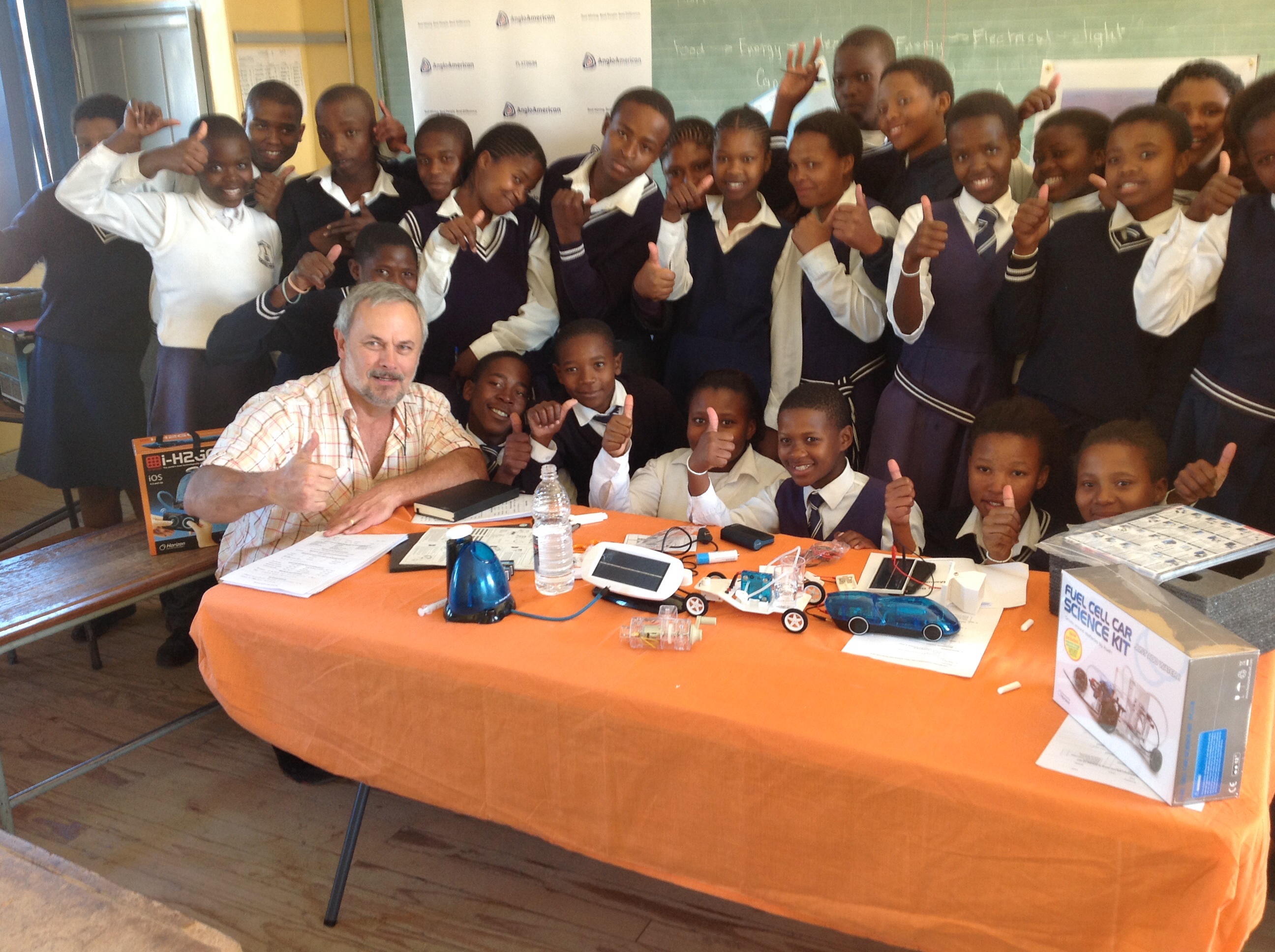

The teachers are able to repeat the learning process after we have left. The hydrogen fuel cell cars have a solar panel to generate hydrogen for the fuel cells avoiding expensive batteries.